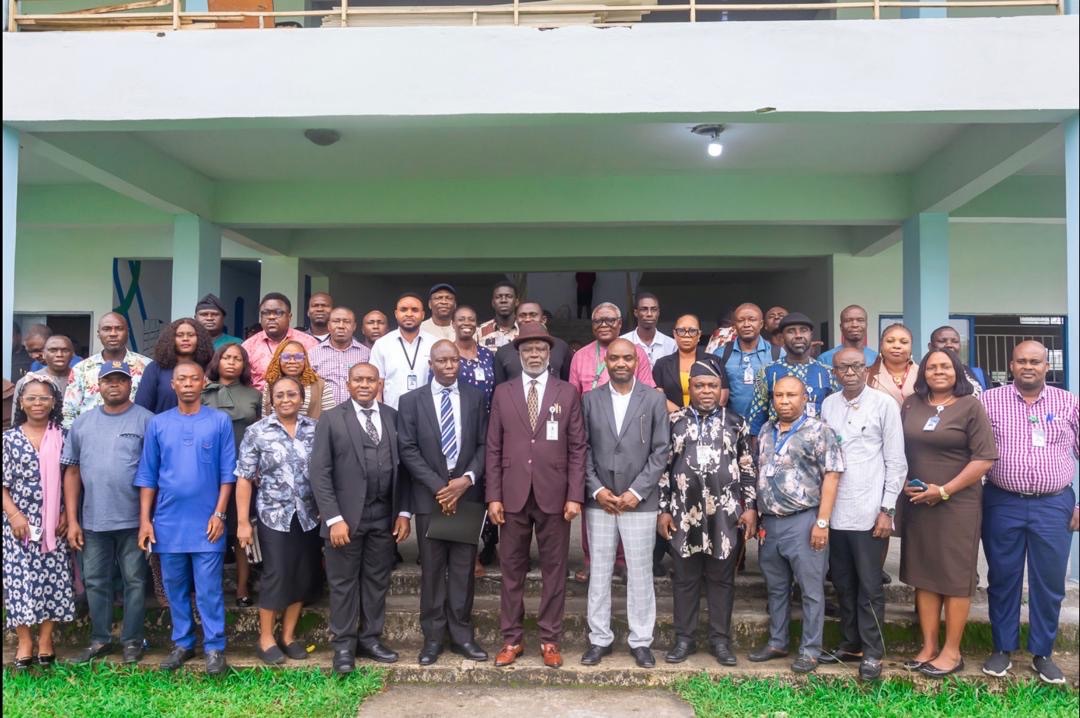
RIVERS STATE UNIVERSITY DEPLOYS ADVANCED AI, MACHINE LEARNING RESEARCH PLATFORM TO BOOST INNOVATION, JOB CREATION
Rivers State University (RSU) has deployed an advanced Machine Learning (ML) and Artificial Intelligence (AI) research platform developed by a United States-based technology company, MOC-LLC, to strengthen scientific research, innovation and job creation.
The initiative, announced on November 3, 2026, in Port Harcourt, includes the donation of a dedicated research server by MOC-LLC to support the establishment of ML/AI research laboratories, practical scientific training and interdisciplinary research at the university.
The deployment follows the introduction of the same platform at Hawassa University in Ethiopia on October 16, 2026, making it the first African university to adopt the technology. The University of Abuja is also preparing for a similar deployment.
The platform provides access to more than 600 ML/AI-driven research resources, 643 applied research and conceptual frameworks, and 200 interdisciplinary research projects covering engineering, agriculture, healthcare, education, environmental sciences and business.
According to the organisers, the technology is designed to support scientific reasoning, mathematical modelling, simulations, data analysis and evidence-based research, rather than focusing primarily on AI-generated content.
Its dedicated server infrastructure will also enable researchers and students to access locally hosted resources through institutional networks without depending on continuous internet connectivity.
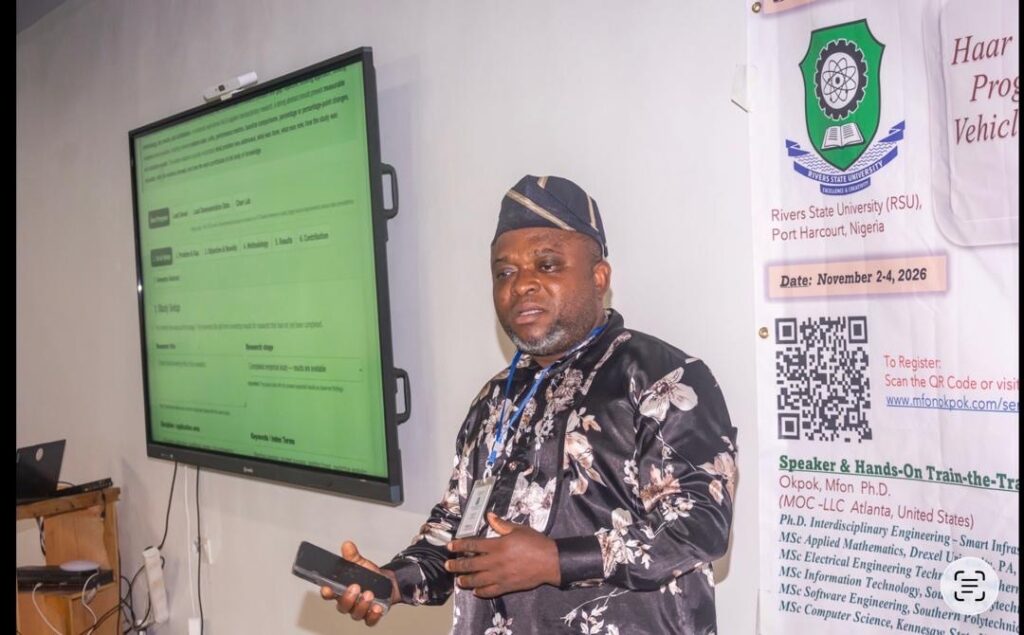
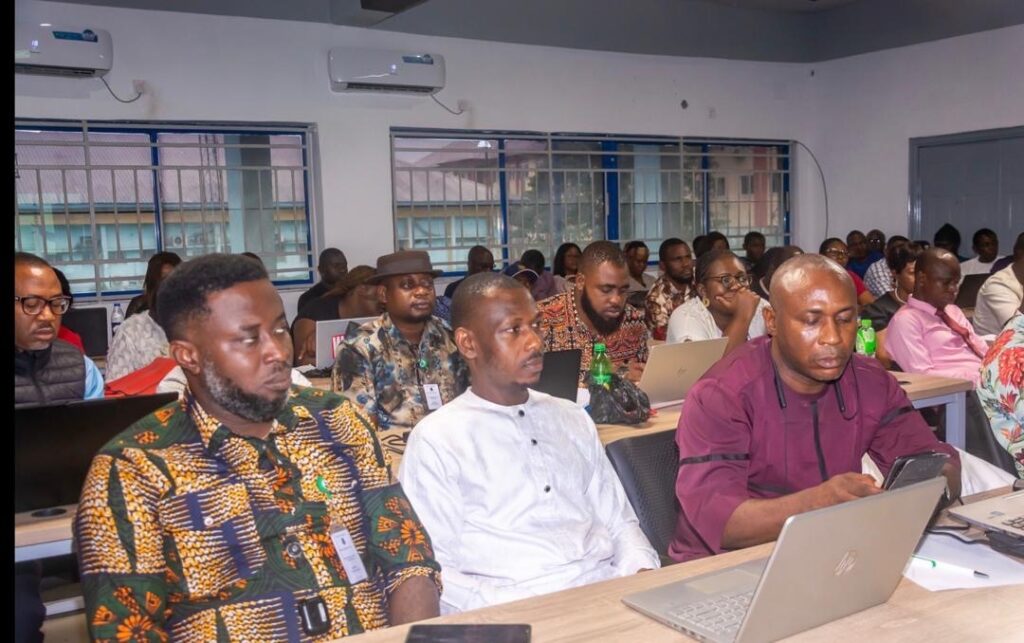
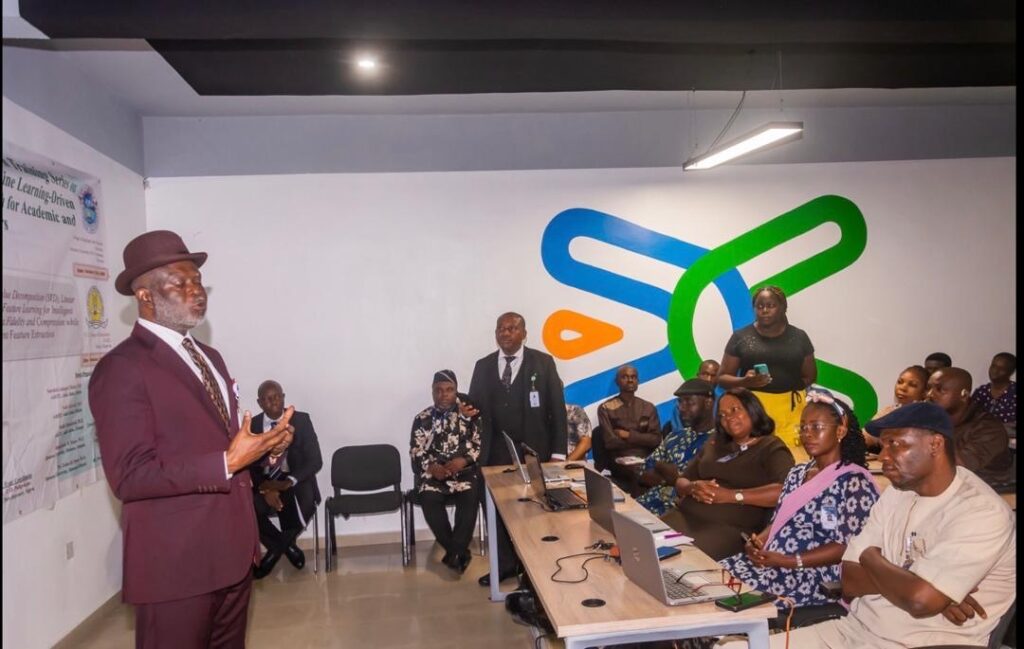
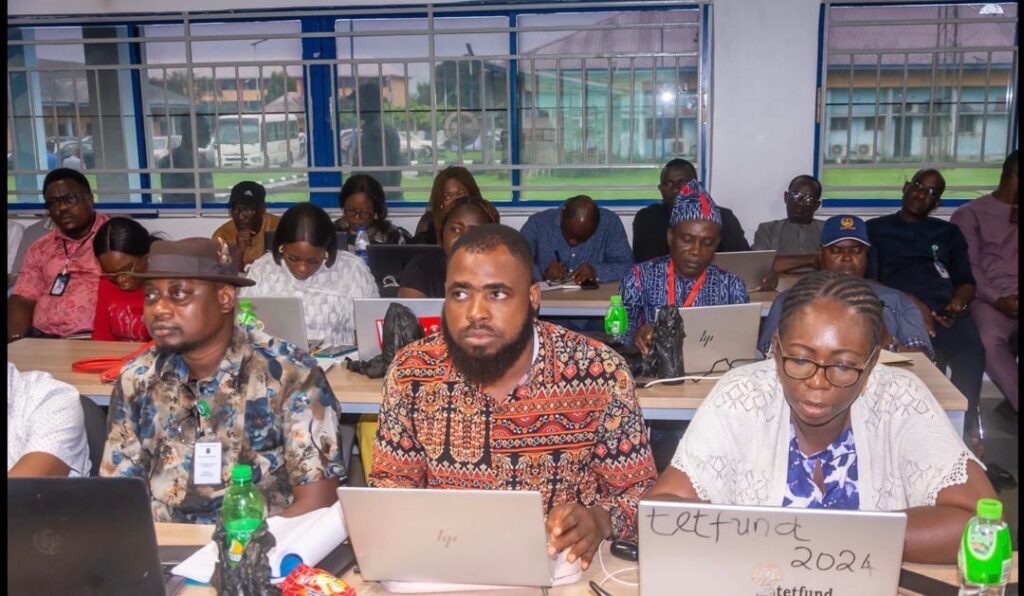
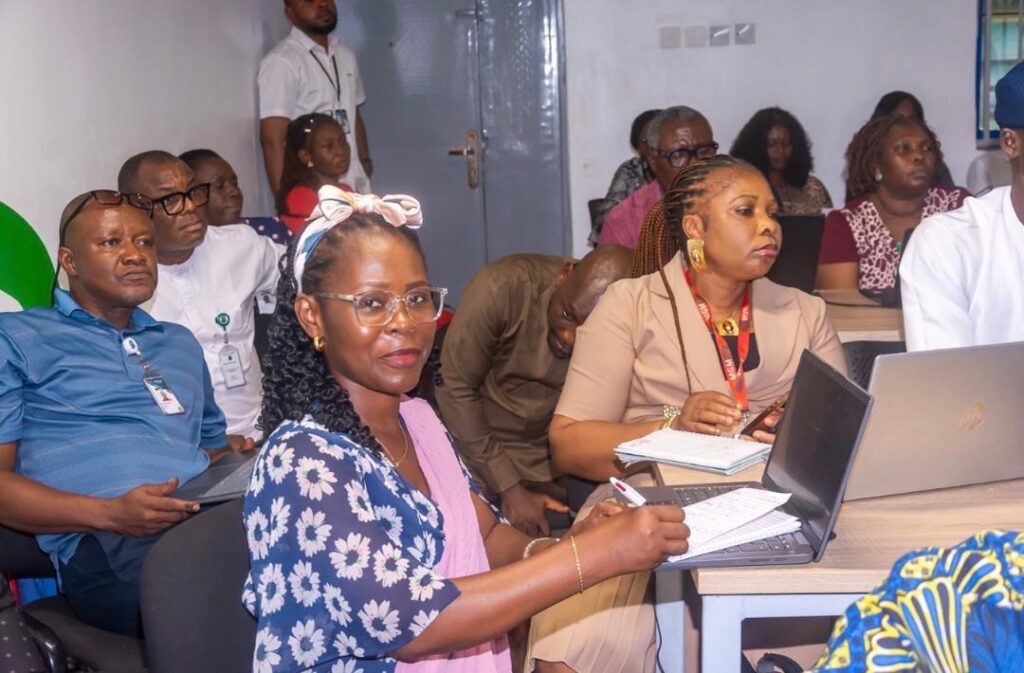
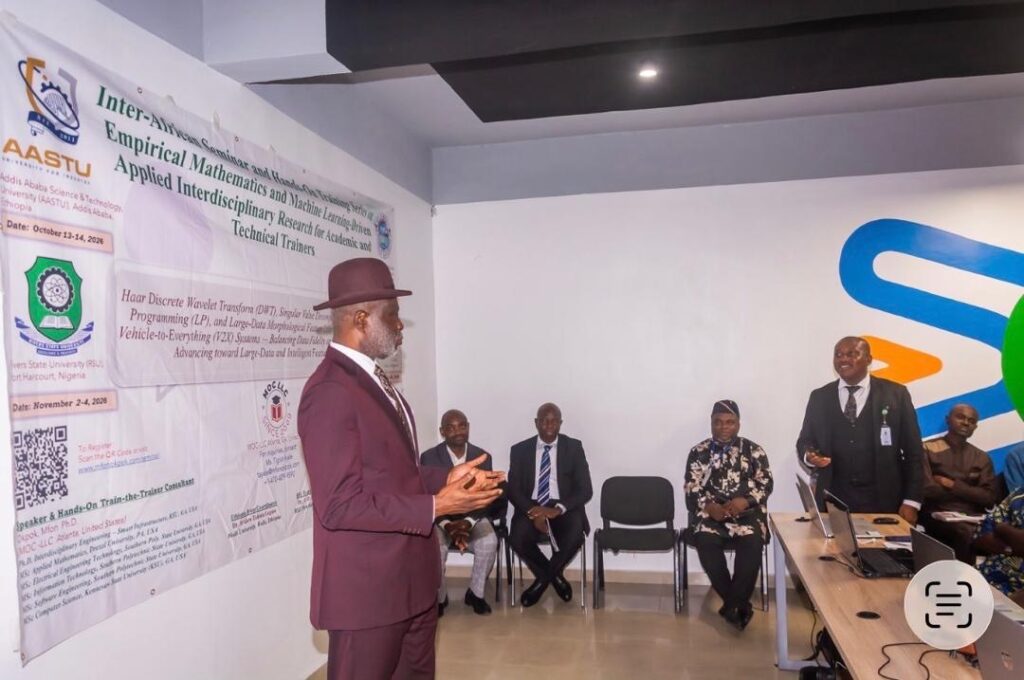
The Vice-Chancellor of Rivers State University, Professor Isaac Zeb-Obipi, was commended for the university’s commitment to scientific research, innovation and international academic collaboration.
The Dean of the Faculty of Engineering and Chairman of the Event Planning Committee, Professor Igwe Enwosu, was also recognised for coordinating the initiative and facilitating the introduction of the technology to the university.
Meanwhile, the University of Abuja has indicated interest in adopting the platform. Its Director of the Centre for Artificial Intelligence and Innovative Technology, Professor Emmanuel M. Eronu, represented the Vice-Chancellor, Professor Hakeem Babatunde Fawehinmi, at the RSU programme.
The proposed deployment is expected to strengthen the university’s research infrastructure and expand opportunities for lecturers, researchers and postgraduate students.
The initiative also presents opportunities for collaboration among Rivers State University, Hawassa University and the University of Abuja in scientific publications, research grants, postgraduate supervision, academic exchanges and international conferences.
Beyond academic development, the project is expected to connect scientific research with entrepreneurship, industrial development and employment opportunities, particularly for young Africans.
Research applications in agricultural processing, renewable energy, manufacturing, healthcare, transportation and environmental monitoring are expected to support locally developed technologies, small businesses and industrial productivity.
The programme also seeks to encourage women entrepreneurs, young innovators and community-based enterprises through technology-driven solutions.
MOC-LLC, headquartered in Atlanta, Georgia, United States, develops scientific research and educational technologies focused on empirical mathematics, machine learning, artificial intelligence and applied interdisciplinary research.
The company is led by Dr. M. F. Thomas Okpok, an interdisciplinary engineering researcher with academic qualifications in engineering, computer science, software engineering, information technology and mathematics from institutions in the United States.
The deployment at Rivers State University, following the pioneering implementation at Hawassa University, marks another step towards strengthening African universities’ capacity for scientific research, technological innovation and international collaboration.