

TSA POLICY STALLING OPERATIONS IN A’IBOM MDAs, STAKEHOLDERS RAISE CONCERNS
Concerns are mounting over the implementation of the Treasury Single Account (TSA) policy in Akwa Ibom State, with stakeholders warning that the policy is crippling the smooth operation of government institutions, including hospitals, schools, media organisations and other public facilities across the state.
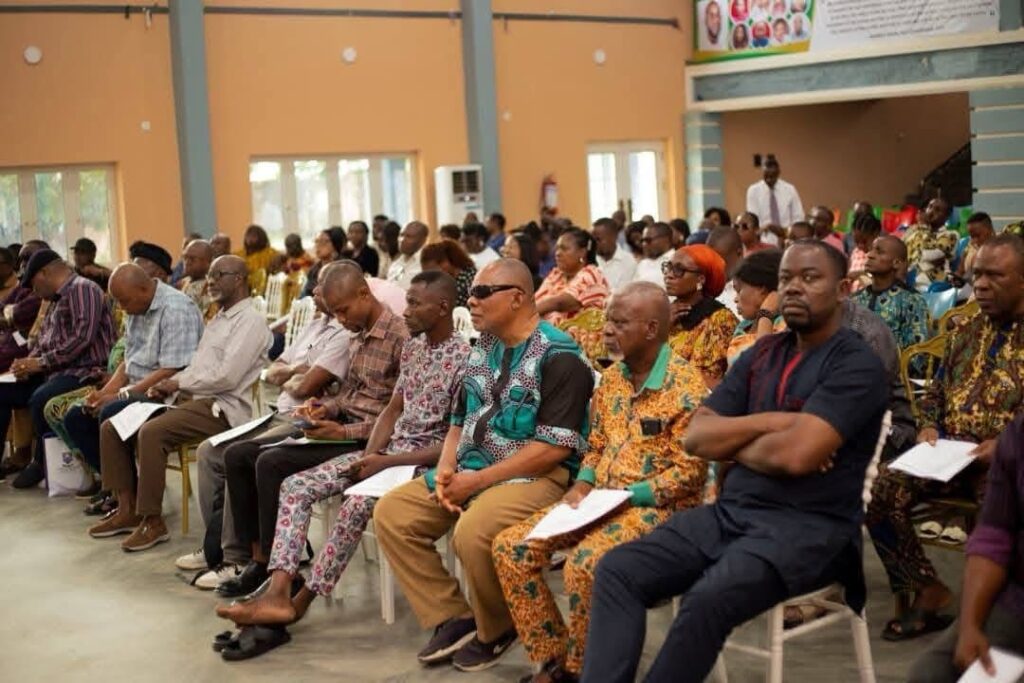
The concerns came to the fore during the Congress of the Nigeria Union of Journalists (NUJ), Akwa Ibom State Council, held Tuesday at the NUJ Press Centre, Uyo, where journalists called on the state government to exempt state-owned media organisations from the TSA policy to reduce operational bottlenecks affecting their efficiency and service delivery.
In a communiqué issued at the end of the congress, the union specifically appealed for the exemption of Pioneer Newspapers and the Akwa Ibom State Broadcasting Corporation (AKBC), arguing that the rigid centralisation of funds under the TSA system was slowing down administrative processes critical to media operations.
The Treasury Single Account policy, introduced to promote transparency and accountability in public finance management, requires Ministries, Departments and Agencies (MDAs) to remit revenues into a unified government account. While the policy has been praised in several states and at the federal level for blocking financial leakages and improving oversight, concerns are growing that its implementation in Akwa Ibom is affecting the day-to-day running of some institutions.
Findings by our correspondent indicate that several government-owned institutions are experiencing delays in accessing operational funds for routine activities, procurement, emergency maintenance and basic administrative needs due to the bureaucratic approval process associated with TSA disbursements.
Some stakeholders in the health sector say the delays are affecting hospitals and primary healthcare facilities, especially in areas requiring urgent intervention such as the purchase of consumables, medical equipment maintenance, fueling of generators and emergency response services.
Education stakeholders have also expressed worries that schools and tertiary institutions are facing difficulties in addressing immediate operational needs, including repairs, logistics, and procurement of instructional materials, as approvals for expenditure often take longer under the centralized system.
A senior civil servant who spoke anonymously described the process as “good in principle but difficult in execution,” noting that many agencies have become financially handicapped while waiting for approvals before carrying out basic functions.
“There are institutions that generate internal revenue to solve urgent operational problems, but under TSA, they can no longer access such funds immediately without layers of approval. This has slowed service delivery in many MDAs,” the source said.
The issue has also sparked debates within public circles, with critics arguing that while the TSA policy promotes accountability, exemptions or flexible implementation mechanisms may be necessary for institutions with time-sensitive responsibilities such as hospitals, media organisations and emergency-response agencies.
Despite the concerns, supporters of the policy insist that TSA remains one of the most effective financial management reforms for preventing diversion of public funds and strengthening transparency in governance.
Meanwhile, the NUJ Congress also commended the Akwa Ibom State Government for ongoing infrastructure projects and health sector interventions, including the implementation of the state health insurance scheme and planned distribution of insecticide-treated mosquito nets across the state.
The union further called on political actors to maintain peace and civility as political activities intensify ahead of the 2027 general elections.